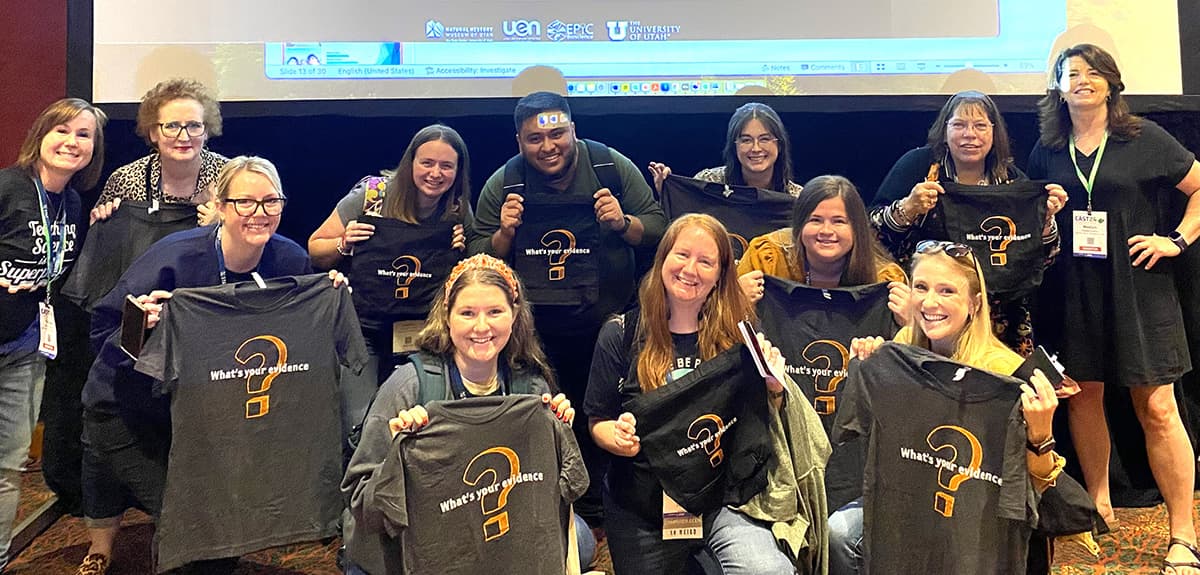
Last month, Research Quest traveled to San Antonio, Texas for the Science Teacher Association of Texas' annual conference. We were thrilled to meet over 400 educators from around the state. We look forward to meeting more educators like you in person in the coming year. Please let us know about any opportunities near you that should be on our radar.
Tips & Tricks
Watch the brief video below to learn how Research Quest rubrics make self-reflection and peer evaluation fun, effective, and easy to implement.
TO FIND THE TOOL GO HERE AND LOGIN.
"Each year students find engaging lessons within the interactives. They loved creating their own dinosaurs."
Amanda Prosser, Fairport Harbor, Ohio
Dino Lab (Dinosaur Survival Simulator)
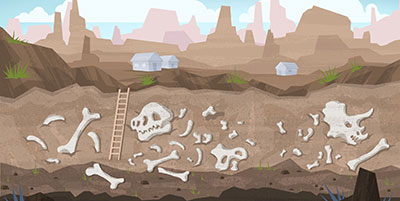
Are your students feeling antsy at the end of the semester? Consider Research Quest’s Dino Lab for engaging your students in a fun, minds-on activity that is easy to implement and a ton of fun for your kids. Dino Lab is a game-based interactive in the What physical features helped the dinosaurs survive? Investigation. Students build dinosaurs that can survive four ecological challenges. Check it out!
LEARN MORE HERE.
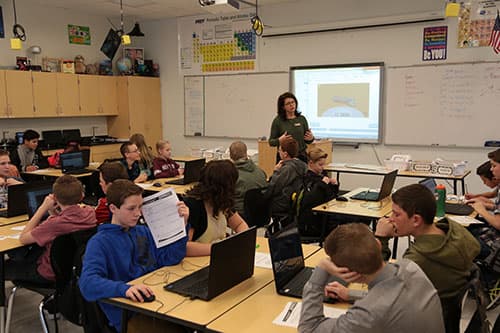
In the bustling world of education, finding tools that engage students while effectively teaching core curriculum can be a challenge. This month, we’re excited to share the experience of Mrs. Amee Treviño-Kovacs, a dedicated 6th-grade teacher at Foothills Elementary in Utah, who has found a game-changing solution in Research Quest.
As a teacher responsible for ELA, Math, Social Studies, and Science for a class of 28 diverse learners, Mrs. Kovacs understands the importance of efficient, engaging, and effective teaching tools. Her discovery? Research Quest has become an invaluable asset in her classroom, particularly for teaching the Utah Science CORE curriculum.
"Research Quest provides opportunities in their unique investigations to let students truly think like scientists to solve real-world problems that relate to Utah,” Mrs. Kovacs explains. (To read more, please go here.)
“Read ahead of the lesson so you know how to guide your students. Randomize research partners.” Amee Treviño-Kovacs, Riverton, Utah

Research Quest is a program of the Natural History Museum of Utah in partnership with The Utah Education Network