A microcredential (or badge) is a fun, flexible way to earn recognition for what you already do well in your classroom. Open to all Utah public educators, microcredentials let you showcase real teaching skills, earn USBE credit, and step into leadership opportunities. Plus, they’re easy to share on your resume, website, or social media—turning everyday teaching wins into visible, career-boosting accomplishments.
Tips & Tricks
In this short teaching tip, learn how to slow down key moments in order to build data literacy by helping students move beyond collecting measurements to using data as evidence.
This video highlights three instructional moves using the Research Quest investigation: Insect Apocalypse! As students take measurements of digitized bat collections educators are encouraged to:
Ideal for science educators, curriculum designers, and professional learning focused on data literacy, scientific reasoning, and evidence-based explanations.
"Yes, we made connections to how bats, though not generally visible, play a massive role in controlling populations of insects like mosquitos. This led to discussions about where bats live in urban places throughout Utah."
William Docskey, Ogden, Utah
How will bat populations be impacted by the insect apocalypse?
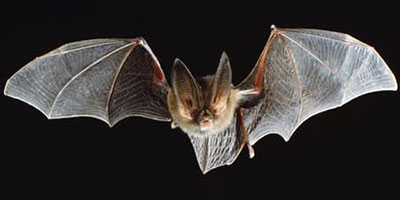
What happens when insects disappear—and what does that mean for bats? In Insect Apocalypse, students take on the role of scientists to investigate how changes in insect populations impact bats and the ecosystems they support. Guided by a bat research scientist, students analyze virtual dissections of bat stomach contents and use real museum collections data to compare diets across species. Along the way, they explore food competition based on physical traits to predict which bat populations are most likely to thrive—or decline—in a changing world.
LEARN MORE HERE.
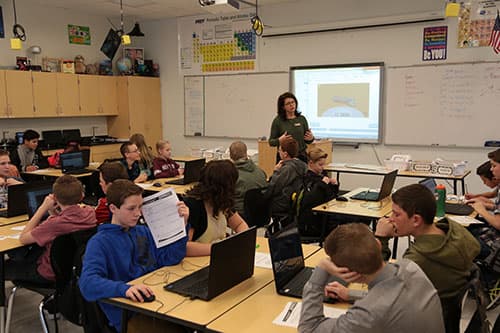
Start as a whole class, by modeling tools and thinking. Show how to fill out research notebook, and have students give responses, inferences, etc. Then move into partner work.
“I highly recommend the investigations found on Research Quest. The modules are easy to use, and there is a convenient class login code to get students started. I liked the self-pacing format, and the engaging, interactive way students can investigate and gather data...” (To read more go here.)
“Start as a whole class, by modeling tools and thinking. Show how to fill out research notebook, and have students give responses, inferences, etc. Then move into partner work.” Christin Sanchez, Murray, Utah

Research Quest is a program of the Natural History Museum of Utah in partnership with The Utah Education Network