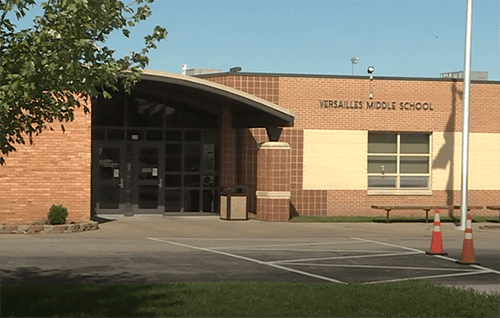
For Laura Swick, a teacher at Versailles Middle School in Versailles, Missouri, Research Quest has become a powerful tool for creating authentic, hands-on learning experiences. By using interactive investigations, Laura helps her students connect directly with science and archaeology in ways that feel both exciting and meaningful.
“I have used two investigations so far: How Did the Triceratops Evolve? and How do synthetic materials impact society? My students were excited to work through these and were engaged the whole time. It was like a mini-field trip and allowed them to see things they may not see otherwise, as we live in a rural area.”
Turning Lessons into Discovery
Laura found that both investigations helped her students practice essential scientific and analytical skills. Instead of simply memorizing facts, students were actively figuring out answers, analyzing evidence, and forming their own conclusions. “I felt like the students could explain the standards that go with the investigations. It felt more practical than the usual lectures and worksheets.”
Creating Authentic Learning Experiences
One of the things Laura values most about Research Quest is how it captures the essence of real scientific inquiry. Students can’t simply search online for the answers—they must think critically and apply reasoning to the evidence presented. “Students had to figure out the answers to the questions, and it was not something they could easily Google. It was what I feel like authentic learning should be, and it gets kids excited about the topics.”
Learning that Feels Real
Laura’s experience shows how Research Quest transforms lessons into authentic learning opportunities that inspire curiosity and critical thinking. By giving students access to engaging, museum-based investigations, she’s able to create a classroom environment that feels like discovery in action—a place where students learn not by memorizing, but by doing.

Research Quest is a program of the Natural History Museum of Utah in partnership with The Utah Education Network