Heading to the Science Teacher Association of Texas Conference in San Antonio this week? Stop by the Research Quest booth in the exhibit hall to say hello and discover what’s new! Plus, don’t miss our two engaging sessions:
Thursday, November 14, 1:30-3:30 p.m. – Synergies in Action: Bridging Science, English Language Arts, and Technology in Room 220
Saturday, November 16, 9:30-10:30 a.m. – Deepen Student Critical Thinking: Real-World Research with Museum Scientists and Collections in Room 217D
Think we should present at a conference near you? Let us know, and we’ll keep it in mind!
Tips & Tricks
Did you know the Research Assistant Notebook helps your students organize their research (data collection, analysis and more) in ways that support their ability to reason with evidence? Watch now to learn more!
TO FIND THE RESEARCH ASSISTANT NOTEBOOKS GO HERE.
"I always love the 'a-ha' when students realize that the climate has a direct correlation to how effectively beetles reproduce, which is in turn causing the greatest damage to the trees. It's like they finally made it to the big plot twist and it's fun to watch their eyes light up!"
Ashley Christensen, Provo, Utah
Uncovering the Mystery: What's Killing the Trees?
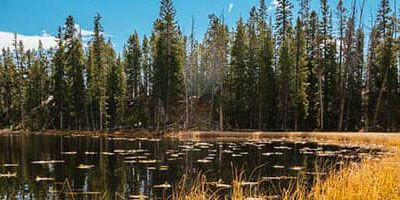
Our featured investigation, What’s Killing these Trees?, brings ecosystem science to life by exploring the environmental factors impacting forest health. Even if you’re outside Utah, your students will find this investigation relevant as it addresses issues many forests face worldwide—from climate impacts to biodiversity threats.
This investigation aligns with key middle school standards, and many educators like that it supports the Gather, Reason, Communicate (GRC) model, giving students a framework to approach any scientific phenomenon thoughtfully and critically.
Quick Tip: After learning about the die-off of the Lodgepole Pine, invite students to research similar phenomena in local or national forests or other ecosystems. Have them compare these situations to what’s happening in the Uinta Mountains to identify broader environmental patterns.
LEARN MORE HERE.
Amanda Gladden, 7th & 8th Grade Science Teacher at Herriman, Utah. Here’s what she has to share about the power of Research Quest in her classroom:
I have been teaching middle school Science for over 10 years. I learned of Research Quest when we switched to digital learning in 2020 for a school year and I have not stopped using it or recommending it since.
I have found so many uses with the investigations from teaching students how to analyze evidence to critical thinking to even writing quality scientific arguments.
These are crucial skills they need to be successful in high school and their future adulthood, especially the ability to analyze evidence and use critical thinking to reason with information.
Each year, my students are immediately engaged with the visuals and activities each investigation provides. They even enjoy the explanations in the videos from scientists in the field.
“I paired my students up to work on a Research Quest investigation. It helped them to think out loud and compare ideas and suggestions with each other. Then, at the end of class, we came back together and discussed it as a class.” Bridget Roderick, Ignacio, Colorado

Research Quest is a program of the Natural History Museum of Utah in partnership with The Utah Education Network