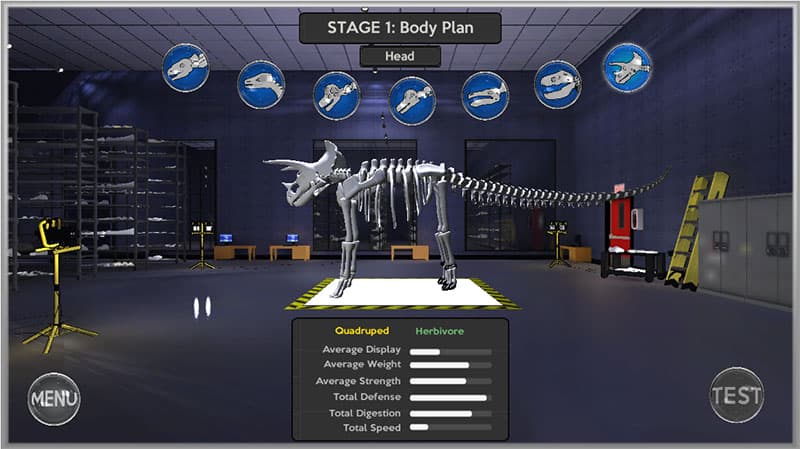
Holiday schedules getting wobbly? Keep learning roaring with What physical features helped a dinosaur survive? — a low-prep, high-engagement investigation perfect for busy December days. At the heart of the experience is the Dino Lab simulator, where students think like scientists and designers, running their own experiments to see which traits helped dinosaurs thrive — all aligned to NGSS standards. Plug it in, press play, and let curiosity do the rest.
Teaching Tips
Discover how one simple evidence-based strategy can supercharge learning across all your subjects. In this short video, a teacher shares how Research Quest helps students master strong, weak, and disconfirming evidence—skills they can instantly apply in science, writing, social studies, and even math. If you’re looking to make your instructional minutes work harder and boost students’ reasoning skills, this is a must-watch.
LEARN MORE HERE OR WATCH BELOW:
“My students will remember 6th science with the play they wrote and performed in front of the school. They created and acted out characters as a dying lodgepole pine, a scientist, blue stained fungus, wildfire, and the pine beetle. They are still repeating lines and inside jokes from their first month of school with that investigation.”
Robin Dotterweich, Salt Lake City, Utah
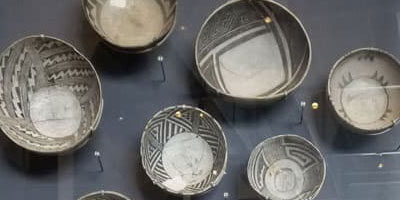 How do synthetic materials impact society?
For millennia, humans have shaped the world with synthetic materials — starting with ceramics, one of our oldest engineered innovations. Using ceramics, students explore how and why societies develop synthetic materials, their lasting influence on people and the planet, and how to evaluate their long-term value and trade-offs. An engaging way to help learners think critically about the materials that define modern life.
LEARN MORE HERE.
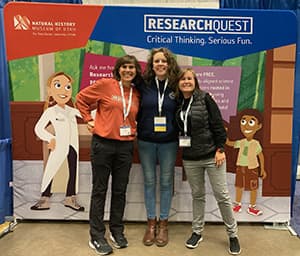 In today’s science classrooms, teachers are constantly searching for ways to help students connect curiosity with real scientific thinking. For Lindsey Schutte (center), a 6th-grade science teacher at St. Croix Preparatory Academy in Stillwater, Minnesota, Research Quest provides exactly that — interactive investigations that transform abstract ideas into hands-on, meaningful learning experiences. Lindsey uses Research Quest to guide her students through the process of inquiry, evidence analysis, and scientific reasoning, helping them understand evolution in a way that feels both exciting and authentic.
"My 6th-grade students really enjoyed using the ‘How Did Triceratops Evolve?’ lab," Lindsey shares. “It was a fantastic resource for teaching how a species, like Triceratops, evolved over time.” (To read more from Lindsey go here.)
“Since you know your students, do some preplanning and find a video that would motivate them to make connections to the task BEFORE they go to the website. RESEARCH QUEST is a great website and once they get there they will love it.” Bernadette Carnes, Philadelphia, Pennsylvania

Research Quest is a program of the Natural History Museum of Utah in partnership with The Utah Education Network