
Research Quest Blog
March 2026 Newsletter
Teacher Testimonial
"Research quest is highly engaging, relevant and tied to our NGSS and Missouri State standards. It is interactive, real life science in which students solve a problem that can happen anywhere. My students were very engaged and challenged at the same time."Heather Sheahan, Excelsior Springs, Missouri
Test-drive new Investigation layout. Get $25 gift card.

Since it was launched 10 years ago, many educators have shared helpful feedback about how they use What dinosaur did these bones come from? in their classrooms. Based on that input, we’ve created an updated layout focused on improving flow, pacing, and learner scaffolding—while keeping the investigation itself centered on the same engaging research students have loved for a decade.
We’re inviting teachers to try this version with students between April 1–May 15 and share brief feedback through a short survey.
We’re grateful for your time and insights—your perspective directly shapes this work. Sign-up here!
Teaching Tip
Ready to boost your students’ data savvy? This month’s video spotlights engaging moments from multiple Research Quest investigations where learners explore frequency and ratio using real data. Watch for inspiration—and see how easily you can bring these powerful skills into your classroom.
Memorable Moments
"One of my students that is difficult to engage was/is highly motivated by this platform. He wanted to complete his work in order to earn more time on this platform."
Kristen Stocks, Saint George, Utah
Investigation Spotlight
Energy Transfer and Matter Cycling
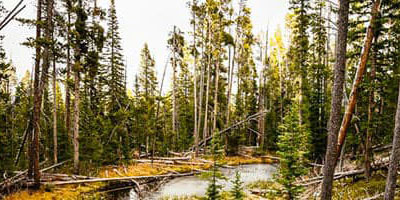
What happens when a montane ecosystem starts to shift?
This spring, transport your students to the Uinta Mountains, where forests, fungi, insects, and mammals are tightly connected in a living web. Students build and revise a food web model, uncovering who’s a producer, consumer, or decomposer—and model how energy flows and matter cycles through the system.
Then the challenge: when the ecosystem changes, what happens to those connections? Students use evidence from their models to explain how shifts ripple through the ecosystem.
Bring real-world change into your energy and matter unit—and let your students figure it out like scientists.
LEARN MORE HERE.
Educator Spotlight
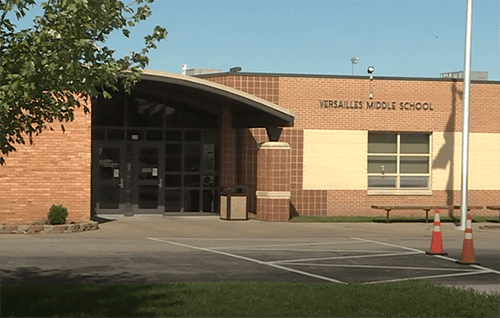
For Laura Swick, a teacher at Versailles Middle School in Versailles, Missouri, Research Quest has become a powerful tool for creating authentic, hands-on learning experiences. By using interactive investigations, Laura helps her students connect directly with science and archaeology in ways that feel both exciting and meaningful.
“I have used two investigations so far: How Did the Triceratops Evolve? and How do synthetic materials impact society? My students were excited to work through these and were engaged the whole time. It was like a mini-field trip and allowed them to see things they may not see otherwise, as we live in a rural area.” (To read more from Laura go here.)
Educator Advice
“It's important to do the first investigation in front of the whole class to help students understand the expectations and how to use it. Typically, once they have done one as a class, they are ready to work in groups and/pairs, or individually.” Eliza Morris, Idaho Falls, Idaho